Amputation After an Accident
Understanding Amputation After Serious Injury
An amputation is one of the most life‑changing injuries a person can experience. Whether caused by a traumatic accident, crush injury, medical negligence, or complications such as infection or vascular damage, the impact on mobility, independence, work, and emotional wellbeing is profound.
Amputations vary widely, including:
• Upper‑limb amputations — finger, hand, wrist, below‑elbow, above‑elbow, shoulder
• Lower‑limb amputations — toe, foot, below‑knee, above‑knee, hip disarticulation
• Traumatic amputations — caused instantly at the scene of an accident
• Surgical amputations — performed to save life or prevent further harm
Every level of amputation creates different rehabilitation needs, prosthetic options, and long‑term considerations. A claim must reflect all of these — not just the injury itself.


People often contact me after amputations caused by:
Immediate Medical Complications
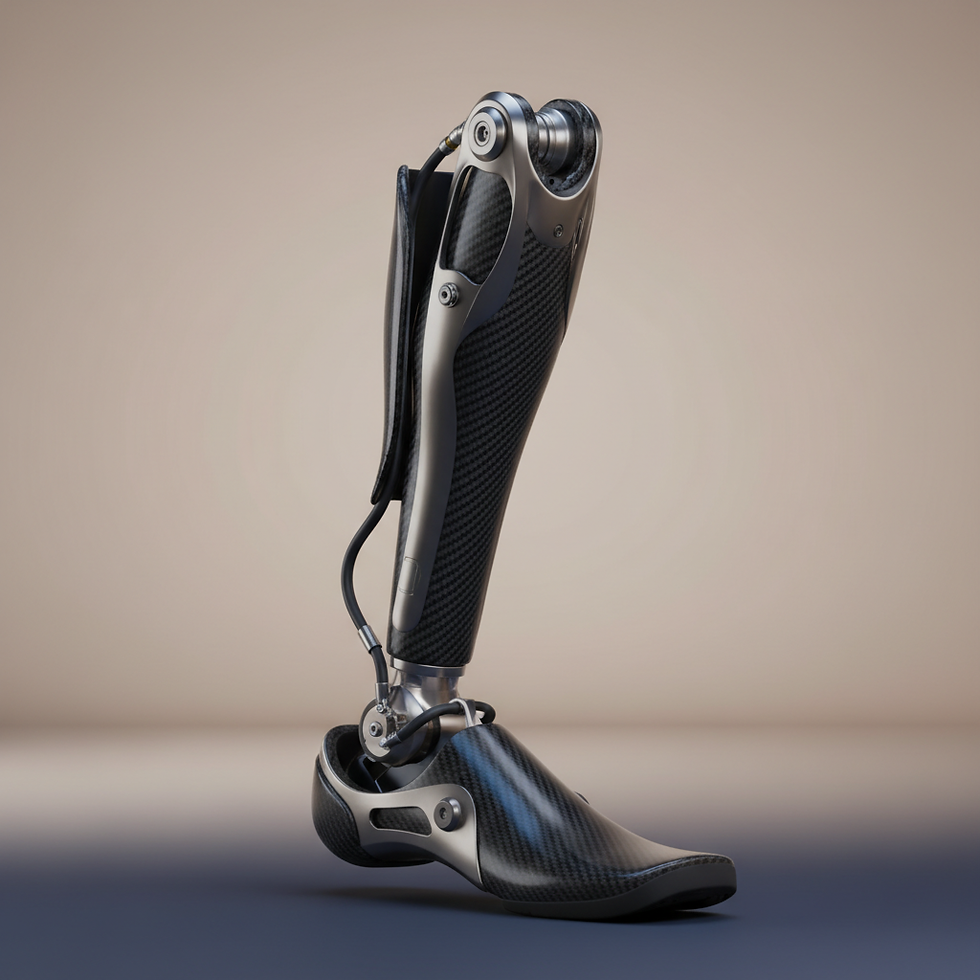
Prosthetics and Long‑Term Equipment Needs
- Road traffic collisions
- Workplace accidents
- Agricultural and industrial machinery
- Crush injuries
- Medical negligence (delayed treatment, missed infection, vascular compromise)
- Severe burns
- Sepsis
Amputation injuries often involve complex medical issues, including:
Modern prosthetics vary significantly in function, cost, and suitability. Your claim must consider:
- Infection
- Delayed wound healing
- Phantom limb pain
- Neuroma formation
- Residual limb sensitivity
- Vascular problems
- Skin breakdown around the socket
- Microprocessor knees (C‑Leg, Genium)
- Myoelectric hands
- Activity‑specific prosthetics (running blades, cycling limbs)
- Waterproof prosthetics
- Specialist sockets
- Liners, sleeves, and suspension systems
- Wheelchairs and mobility aids
If someone else’s actions — or failures — caused the injury, you may be able to pursue an amputation claim.
These complications affect prosthetic use, mobility, independence, and long‑term recovery — and they must be fully accounted for in your claim.
Prosthetics need regular replacement, often every 3–5 years, and costs can reach tens of thousands of pounds. I ensure these future needs are fully funded.
Interim Payments
If liability is accepted early, I can secure interim payments to fund:
• Rehabilitation
• Home adaptations
• Prosthetics
• Mobility equipment
• Private therapy
These payments help you rebuild your life while the claim continues.
How I Help You
As a nationwide Serious Injury Solicitor, I support people who have experienced life‑changing amputations by:
- Understanding your medical, emotional, and practical needs
- Securing rehabilitation from the earliest stage
- Ensuring prosthetics and equipment are fully funded
- Protecting your future independence and quality of life
- Standing beside you through every stage of recovery
If you or a loved one has suffered an amputation, I can help you access rehabilitation, secure prosthetics, and protect your future independence. You deserve strong, specialist support — and I make sure you receive it.
You are not alone in this.
I ensure that your rehabilitation plan is bespoke and evidence-led, clinical pathways are established early to maximise your functional outcome and independence.
Rehabilitation After Amputation
Rehabilitation is essential and often lasts months or years. It may include:
- Physiotherapy — strength, balance, gait training
- Occupational therapy — daily living skills, home adaptations
- Desensitisation therapy
- Pain management
- Psychological support — trauma, grief, identity changes
- Vocational rehabilitation — returning to work or retraining
- Driving assessments and adaptations
A strong claim ensures you receive the right rehabilitation at the right time — not just what is available through standard services.
Financial Impact and Compensation
Compensation for amputation claims may cover:
- Pain, suffering, and loss of amenity
- Prosthetics and future replacements
- Rehabilitation and therapy
- Home adaptations
- Specialist equipment
- Loss of earnings and future career impact
- Care and support
- Travel expenses
- Psychological treatment
My role is to ensure every future need is recognised — not just the immediate injury.
Home and Lifestyle Adaptations
Many people need practical changes to support independence, including:
- Ramps and rails
- Bathroom adaptations
- Accessible kitchens
- Stairlifts
- Wheelchair‑friendly layouts
- Vehicle adaptations (hand controls, left‑foot accelerator)
These costs must be included in your claim so you can live safely and independently.